
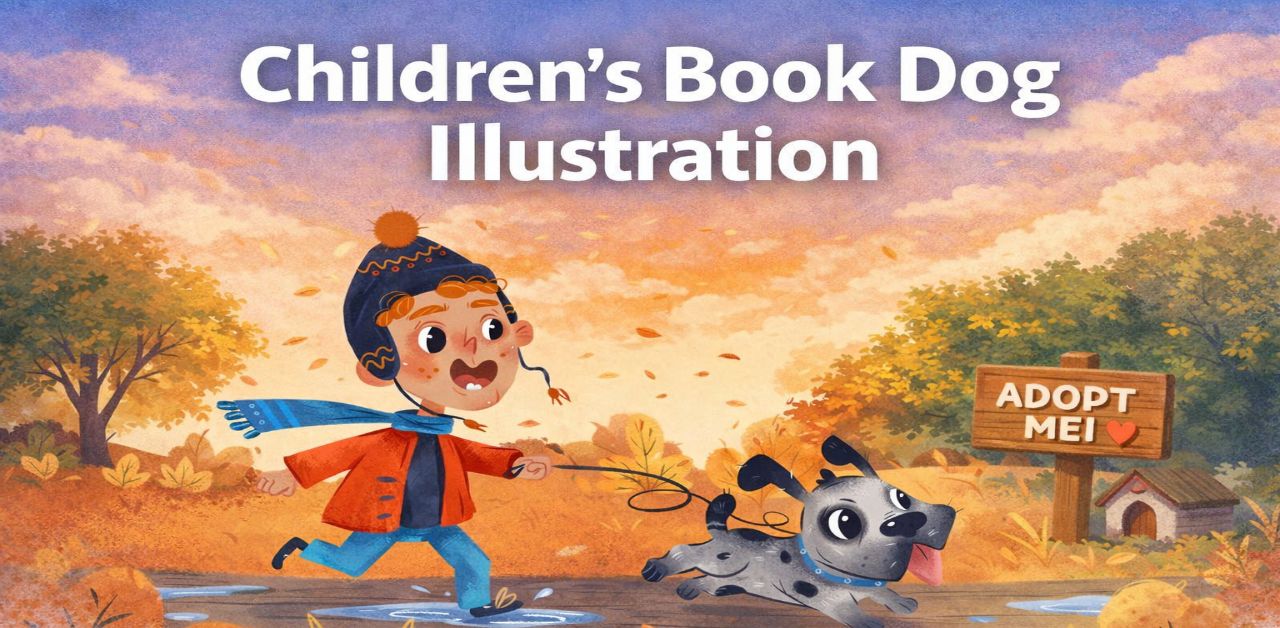
In the world of children’s literature, illustrations are more than just pictures—they are windows into the imagination. One of the most beloved themes in children’s books is dogs, and children’s book dog illustrations play a key role in making stories unforgettable for young readers. From playful puppies to loyal companions, these illustrations create emotional connections that words alone sometimes cannot convey.
Why Dog Illustrations Matter in Children’s Books
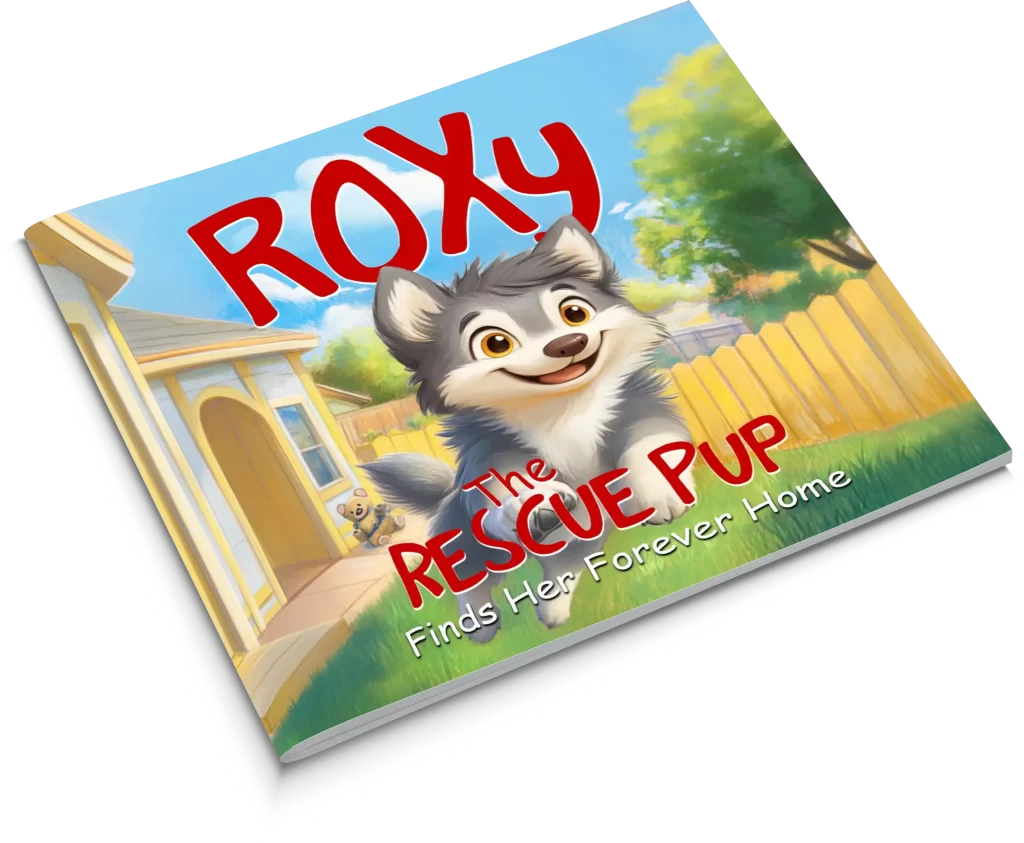
Dogs have a special place in many children’s hearts. They symbolize loyalty, friendship, and unconditional love. When these furry friends are depicted in books, they do more than entertain—they teach empathy, kindness, and responsibility. Children’s book dog illustrations often reflect the personality of the story’s canine character, whether it’s mischievous, gentle, brave, or loyal.
Illustrations also make stories accessible to younger readers who may not yet be fluent in reading. Visual storytelling helps children understand emotions, plot developments, and character relationships in a fun and engaging way. A well-crafted dog illustration can instantly convey joy, sadness, curiosity, or excitement, enhancing the reading experience.
Different Styles of Children’s Book Dog Illustrations
Children’s books feature a variety of artistic styles for dog illustrations, each bringing its own unique charm:
- Cartoon Style: Exaggerated features, bright colors, and expressive faces make dogs more relatable and fun for younger audiences.
- Realistic Style: Detailed illustrations help children connect with real-life animals and can be especially effective in teaching about dog breeds, care, and behavior.
- Whimsical Style: Fantasy-inspired illustrations with magical elements spark imagination, turning ordinary dogs into fantastical companions.
Authors and illustrators often choose the style based on the story’s tone. For heartwarming tales about dog adoption or friendship, soft, expressive illustrations are usually preferred.
How Dog Illustrations Teach Empathy and Life Lessons
Beyond their visual appeal, children’s book dog illustrations serve an educational purpose. Many stories revolve around themes like adoption, rescue, and care for pets. Through illustrations, children can see:
- A puppy being nurtured back to health
- Dogs and children forming trusting bonds
- Adventures that teach teamwork, patience, and compassion
These visual cues reinforce moral lessons and encourage kids to treat animals and people with kindness. Seeing a dog happily wag its tail after being adopted can leave a lasting impression of hope and empathy.
Inspiring Creativity Through Illustrations
Illustrations also inspire creativity. Children may try drawing their own pets, imagining adventures, or writing stories based on what they see. By engaging with children’s book dog illustrations, kids learn to observe details, express emotions, and think creatively.
Teachers and parents often use illustrated dog books as tools for discussion and learning. A single picture can spark questions like: “Why do you think the dog looks sad?” or “How can we help animals who don’t have a home?” This interaction deepens understanding and empathy.
Combining Text and Illustration for Maximum Impact
The best children’s books integrate illustrations seamlessly with text. Dogs often act as silent narrators, their expressions and actions adding layers of meaning to the story. A child reading about a dog’s adventure while seeing illustrations of the journey can feel more immersed and emotionally connected.
Illustrators pay attention to facial expressions, posture, and background details. Even small touches—like a wagging tail, tilted ears, or playful eyes—can communicate emotion and personality, making the story unforgettable.
Modern Trends in Dog Illustrations for Children
Today, children’s book dog illustrations are more diverse and inclusive than ever. Stories feature dogs of different breeds, sizes, and abilities. Illustrators also depict children and families from various backgrounds, reflecting real-world diversity. This approach not only entertains but also educates kids about acceptance and understanding.
Digital illustration tools have made it easier for illustrators to experiment with color, texture, and movement. Animated-style illustrations, mixed media, and interactive books are becoming increasingly popular, bringing dogs to life in ways traditional illustrations never could.
Final Thoughts
Children’s book dog illustrations are much more than decorative elements—they are essential storytelling tools. They teach empathy, inspire creativity, and make reading a joyful and immersive experience. Whether it’s a rescue dog finding a forever home or a puppy’s daily adventures, illustrations help children connect emotionally with the story, making memories that last a lifetime.
By choosing books with engaging dog illustrations, parents, teachers, and librarians can encourage a love for reading while teaching important life lessons. After all, a picture may be worth a thousand words, but a lovable dog illustration can be worth a thousand smiles.